Understanding Wärmepumpen and Their Efficiency in Altbau
The transition to sustainable heating solutions has prompted many homeowners to explore alternatives suitable for older buildings, or Altbau, in Germany. One such solution is the Wärmepumpe, or heat pump, which can provide an efficient and eco-friendly heating source. As concerns over rising energy costs and environmental impacts grow, understanding the capabilities and requirements of a wärmepumpe im altbau is crucial for making informed decisions.
What is a Wärmepumpe?
A Wärmepumpe, or heat pump, is a device that transfers heat energy from one place to another using a refrigeration cycle. This technology allows for heating, cooling, and hot water production by extracting thermal energy from the environment—such as the air, ground, or water—and utilizing it within a home. In contrast to conventional heating systems that generate heat through combustion, Wärmepumpen are known for their energy efficiency and lower operational costs.
How Does a Wärmepumpe Work in Older Buildings?
Wärmepumpen can be especially advantageous for Altbau, which often features older heating systems. They work best when integrated into homes with energy-efficient designs, although retrofitting and adaptation are possible with certain adjustments. Typically, a Wärmepumpe will heat water to lower temperatures compared to traditional boilers, making it ideal for systems that rely on underfloor heating or larger radiators. Properly assessing the home’s thermal characteristics is essential to ensure the system operates effectively.
Efficiency Metrics and Performance Indicators
To evaluate the effectiveness of a Wärmepumpe in an Altbau, metrics such as the coefficient of performance (COP) and seasonal performance factor (SPF) are crucial. The COP indicates the ratio of useful heating or cooling provided to the energy consumed, with higher values representing greater efficiency. The SPF provides a more comprehensive view of the overall performance across different seasons, giving potential buyers insight into expected energy usage.
Is a Wärmepumpe Right for Your Altbau?
Before considering a Wärmepumpe for your Altbau, it is essential to conduct a thorough assessment of the building's characteristics. Not all structures will benefit equally from this technology, and proper evaluations can help determine the best course of action.
Assessing the Building's Insulation and Structure
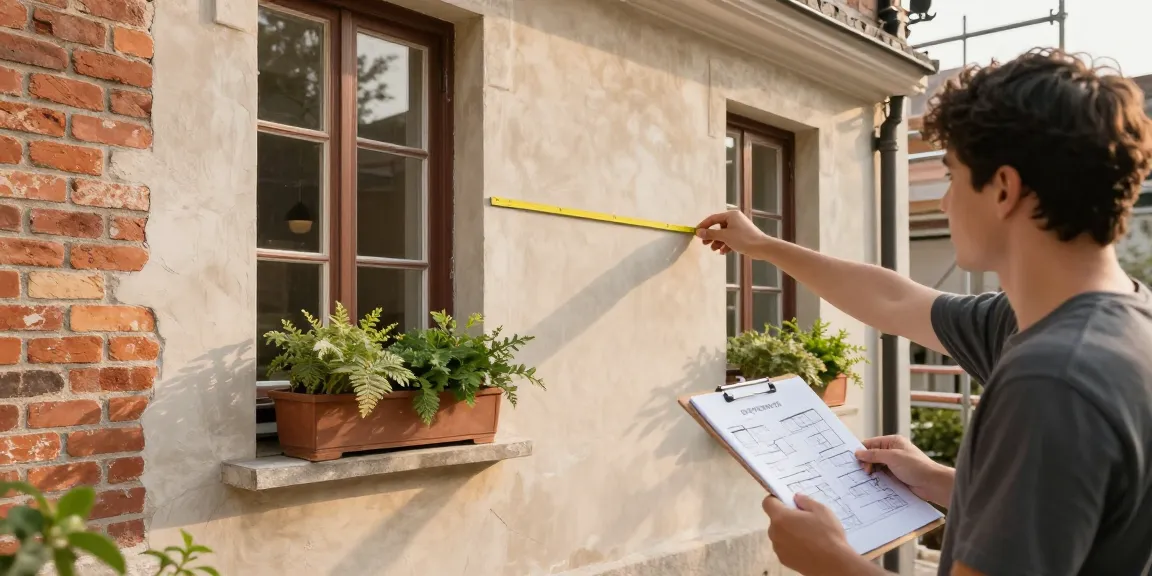
Insulation plays a pivotal role in the efficiency of a Wärmepumpe. Older buildings often suffer from suboptimal insulation, leading to significant heat loss. Evaluating the insulation quality—such as window conditions, roof integrity, and wall structures—can aid in determining whether a Wärmepumpe installation is feasible or if additional improvements are necessary.
Calculating Heating Requirements for Older Homes
Heating requirements vary across Altbau due to differences in size, layout, and existing heating systems. A professional energy audit can calculate the specific heating load, informing decisions about the appropriate capacity and type of Wärmepumpe. This step is crucial to avoid oversizing or undersizing the system, both of which could lead to inefficiencies.
Common Misconceptions About Wärmepumpen in Altbau
There are several misconceptions surrounding the efficacy of Wärmepumpen in Altbau. Common myths include the belief that they require entirely new heating systems, or that they cannot operate efficiently in poorly insulated buildings. In truth, many successful installations involve retrofitting existing systems or enhancing insulation to maximize efficiency without requiring a complete overhaul.
Cost Analysis of Installing a Wärmepumpe
The financial implications of installing a Wärmepumpe in an Altbau can be complex, and understanding the associated costs is essential for homeowners cautious about making such investments.
Upfront Costs vs. Long-term Savings
While upfront installation costs for Wärmepumpen may exceed those of conventional heating systems, the long-term savings on energy bills and maintenance can offset these initial expenditures. Factors influencing total cost include the type of Wärmepumpe, installation complexities, and any necessary modifications to the existing system. Homeowners should consider conducting a cost-benefit analysis over a projected time frame to evaluate potential savings.
Funding Options and Subsidies Available for Homeowners
Various funding opportunities and subsidies exist for homeowners looking to install Wärmepumpen. Many governments offer incentives for utilizing renewable energy sources, which can help alleviate some of the financial burdens associated with installation. Researching local, state, and federal programs allows homeowners to make the most of available financial support.
Comparative Analysis: Wärmepumpe vs. Traditional Heating Systems
When weighing options, comparing Wärmepumpen to traditional heating systems such as gas or oil boilers is vital. Wärmepumpen generally present lower operational costs and a reduced carbon footprint, while traditional systems may offer lower initial costs. However, advancements in Wärmepump technology are closing this gap, making them an increasingly competitive option for home heating.
Steps to Install a Wärmepumpe in an Altbau
Installing a Wärmepumpe in an Altbau involves meticulous planning and execution. Understanding the necessary steps can streamline the process and ensure optimal results.
Pre-installation Planning and Preparation
The first step in installation is thorough planning. This includes conducting energy audits, evaluating insulation, and determining specific heating needs. Engaging with experienced professionals for assessments and consultations can provide valuable insights and help outline the scope of the project.
Choosing the Right Type of Wärmepumpe for Your Needs
Wärmepumpen come in various types, including air-to-water, ground-source, and water-to-water systems. The optimal choice will depend on factors such as the property’s layout, available outdoor space for installation, and the specific climate conditions of the region. Working with professionals can help you identify the ideal solution for your Altbau.
Post-installation Maintenance Essentials
After installation, regular maintenance is essential for ensuring optimal performance and longevity of the Wärmepumpe. Homeowners should adhere to professional maintenance schedules, which typically include checking refrigerant levels, cleaning filters, and inspecting the system for wear and tear.
Future Trends in Wärmepumpen Technology for 2026 and Beyond
The landscape for Wärmepumpen is evolving quickly due to technological advancements and increasing demand for renewable energy. Staying informed about future trends will be important for homeowners considering these systems.
Innovations Shaping the Wärmepumpen Market
Emerging technologies, such as variable speed compressors and smart controls, are enhancing the efficiency and adaptability of Wärmepumpen. These innovations will allow for better integration with smart home systems, optimizing energy usage and user convenience.
Regulatory Changes and Green Building Initiatives
As governments push for increased sustainability, regulatory changes are expected, impacting the installation and operation of Wärmepumpen. Compliance with new standards can open doors to additional funding or incentives, making it crucial for homeowners to stay updated on policy developments.
Expert Predictions on Wärmepumpen Efficacy
Experts predict that the efficacy of Wärmepumpen in Altbau will improve as technology advances. Anticipated enhancements in efficiency ratings and reduced costs will make Wärmepumpen an even more appealing option for older buildings.
What Homeowners Should Know About Wärmepumpen in 2026?
By 2026, homeowners should expect more efficient units with improved adaptability to various building conditions. Increased awareness and education about Wärmepumpen will also contribute to wider acceptance and implementation in the Altbau sector.
Can All Altbau Benefit from Wärmepumpen?
While many Altbau can benefit from Wärmepumpen, factors such as insulation quality and existing heating infrastructure must be considered. A tailored approach to each building's unique characteristics will determine the feasibility and performance of a Wärmepumpe installation.
Are There Any Drawbacks to Consider?
Potential drawbacks of Wärmepumpen include initial installation costs, need for retrofitting, and potential performance issues in poorly insulated homes. Careful consideration of these factors will help homeowners make informed choices.
How to Assess the Best Heizsystem for Your Altbau?
To assess the best heating system, homeowners should undertake a comprehensive evaluation of their home’s heating requirements, insulation status, and existing systems. Consulting with energy efficiency experts can provide tailored recommendations suited for each unique Altbau.